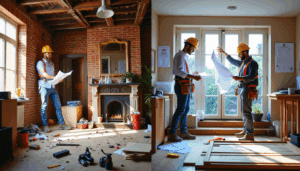

Painting freshly plastered walls is one of those jobs in home decorating that looks simple, but if you cut corners, you’ll end up back at square one before long. I’ve seen too many paint jobs peel, flake, or go patchy just because someone didn’t prep their new plaster properly. Whether you’ve had a new extension, replastered walls, or just patched a ceiling, getting it right at this stage gives you a finish that lasts, looks sharp, and saves you money down the line.
Let the New Plaster Dry Properly
First things first-don’t rush it. New plaster might feel dry to the touch after a few days, but what matters is what’s going on inside the wall. If it’s still damp deeper in, applying paint too soon will seal in that moisture. Before long, you’ll get bubbling, blistering or peeling layers. Not what you want after forking out for a plasterer.
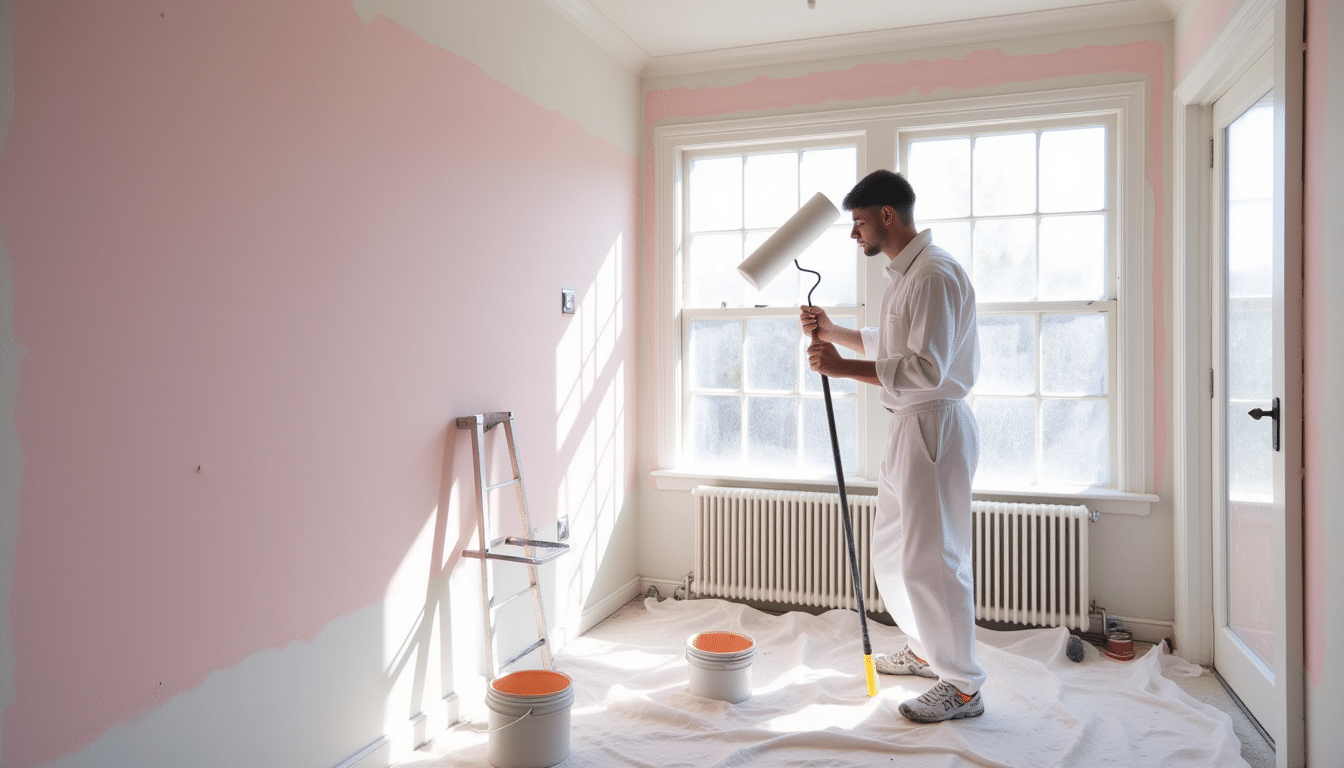
Look for the change in colour. Fresh plaster starts out a dark pink and dries to a pale, consistent tone. Depending on temperatures and airflow, it can take 5-10 days, even longer. If you’ve had multi-layer coats or it’s a damp time of year here in the North West, give it a fortnight just to be safe. Keep the room ventilated with windows cracked open, and avoid blasting the heating to force it dry-it can cause cracking.
Give the Surface a Good Once-Over
Once dry, it’s tempting to crack on with painting, but take five minutes and make sure the surface is sound. New plaster is often very smooth, but it might have collected dust while drying-or there might be small trowel marks, hairline cracks or shiny areas where the plaster has been overworked.
A dry, soft cloth will take care of plaster dust-don’t use a damp cloth, as you’ll just reintroduce moisture. Then run your hand across the wall. If it feels glassy smooth or if you spot any minor imperfections, give those areas a going-over with a bit of 120-grit sandpaper. You’re not sanding it back to brick-just scuffing it enough to help the paint grip.
If you find deeper dents or shrinkage cracks, this is the time to fill them. Use a good quality filler and sand flush when dry. The better the wall underneath, the better the top finish will look.
Mist Coat: Don’t Skip It
Here’s where many go wrong-slapping on neat emulsion straight onto fresh plaster. Don’t do it. New plaster is like a sponge. If you skip the mist coat, your top paint will sink straight in, won’t adhere properly, and will end up peeling off.
A mist coat is simply a watered-down emulsion-its job is to soak into the plaster and seal it, giving your final paint coats something to cling to. I always use a basic matt emulsion, usually white, and never silk or vinyl. The ratio varies depending on who you speak to, but I usually go with 70% paint to 30% water. Some go 50/50 for extra absorbency. Stir it well so it’s consistent, and don’t forget you’re aiming for a runnier-than-usual texture.
Roll or brush it on like paint, but expect a bit of splatter-it’s thinner, so it won’t behave like a normal emulsion. Work in manageable sections and let the mist coat fully dry, usually a few hours, before applying your topcoats.
If you prefer, there are trade paints specifically made for new plaster. These are often breathable and say they don’t need diluting, but always read the tin. Some of the newer ‘contract matt’ emulsions are designed with this job in mind.
Final Coats and Clean Finish
Once the mist coat is dry-you’ll feel the surface has more ‘bite’ to it-you’re ready for your proper coats. Standard emulsion works fine for most rooms. You’ll usually need two coats, applied with a good quality roller or brush. Don’t try and go thick to save doing two-thin, even coats always produce a better finish.
Let each coat dry as directed (usually a few hours between) and avoid heavy traffic or moisture in the room until your painting is fully cured.
A Final Word of Advice
If you’ve got plans to paint newly plastered walls, take your time and don’t skimp on prep. A well-made mist coat is your best tool for avoiding wasted paint, dodgy finishes and rework six months down the line. Proper drying, a clean surface, and the right mix will give you a paint job that genuinely lasts.
Takeaway Tip: If you’re in doubt about whether the plaster is fully dry, tape a small square of cling film to the wall and leave it for 24 hours. If you see any condensation behind it, hold off on painting-there’s still moisture in there. Patience at the start saves headaches later on.