When the sun finally decides to stick around for more than a few days at a time, most homeowners across the UK start eyeing those dusty to-do lists with renewed motivation. The warmer months are perfect for tackling both indoor and outdoor improvements, but when it comes to anything involving wiring or electricity, it’s no time to chance it with guesswork. A seasoned electrician isn’t just there to pull wires – they’re key to safety, compliance, and making sure your improvements don’t come with nasty surprises down the line.
Here are five common summer jobs where getting a qualified electrician involved – right from the get-go – is well worth your while.
Garden Lighting and Outdoor Power: Weatherproofing Done Right
It’s hard to beat the atmosphere of a lit-up garden on a warm evening – be it fairy lights in the pergola or practical floodlighting near the shed. Adding outdoor sockets or permanent lighting upgrades seems straightforward, but garden electrics are a world apart from indoor jobs.
For one, you’re dealing with weather exposure year-round. Many a DIY setup has failed because the cable wasn’t properly armoured, or the socket wasn’t IP-rated for outdoor use. Moisture creeps into fittings, and before you know it, you’re dealing with a dangerous fault – or worse, fire risk.
A certified electrician will ensure all components are suited to outdoor conditions, install RCD (Residual Current Device) protection, and position everything with future-proofing and safety in mind. If you’re planning an outdoor kitchen, heated patio area, or even a hot tub, proper electrics aren’t just safe – they’re a legal requirement.
EV Charger Installation: Not Just Plug and Play
With electric vehicles becoming the norm, more households are considering installing dedicated EV chargers. While accessible kits might tempt some into DIY, this particular job is more than connecting a few wires.
EV charging points draw a lot of power – they need their own dedicated, carefully calculated circuit. If improperly installed, there’s a real risk of overheating or tripping your main board. There’s also the matter of official certification. Under Part P of the UK Building Regulations, notifiable electrical work – like installing a new circuit for an EV charger – must be carried out by a competent person and reported to local authorities.
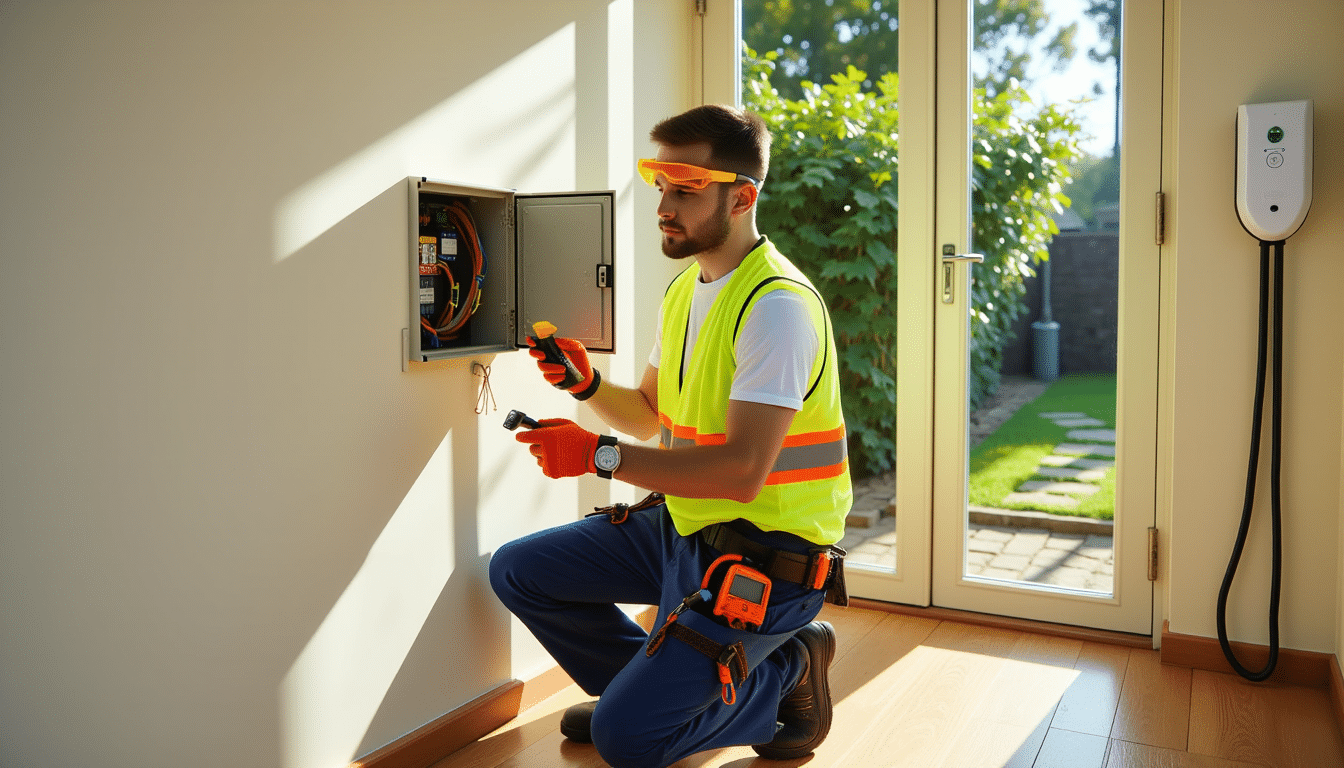
Professional electricians can assess your existing consumer unit to ensure it’s up to the job and advise on the best setup for both convenience and compliance. They’ll confirm that the system meets IET Wiring Regulations (BS 7671), so you can charge your car with confidence.
Upgrading Your Consumer Unit: Bring Your Home Into the 21st Century
A lot of homes around Lancashire still rely on old-style fuse boxes with wire fuses or older circuit breakers. While they might technically still function, they lack the fast-acting safety features of today’s consumer units.
Modern boards come fitted with RCDs and often RCBOs (Residual Current Breaker with Overcurrent protection), which cut power in milliseconds if they detect a fault. That kind of reaction time can be life-saving – especially in households with kids or older residents.
This upgrade also pays off in the long run. Many insurance companies prefer newer units, and they’re better equipped to safely handle modern appliances – think induction hobs, tumble dryers, or additional machinery in a garden workshop. Upgrading your fuse box isn’t a decorative job, but it’s one of the most worthwhile investments in your home’s safety.
Kitchen Refits and New Appliances: Avoid Overloading Existing Circuits
Summer DIY often means new appliances – maybe you’re finally putting in that double oven or converting the utility room into a more functional laundry zone. Here’s where hidden electrical demands sneak in. Adding a high-powered appliance like an electric cooker, induction hob, or American-style fridge often requires dedicated wiring that your existing setup might not support.
An electrician can not only wire in new appliances but also assess your load demand – making sure you don’t end up with tripped circuits every time you boil the kettle and turn on the microwave. They’ll also handle the necessary testing and certification to show the new installation is safe and compliant.
Shed, Garage and Outbuilding Power: More Than an Extension Lead Job
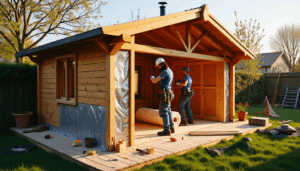
Converting the garage into a gym or running power to your potting shed might seem manageable with a few extension leads – but that’s not a long-term or safe solution. Outbuildings often require separate sub-boards, properly installed cabling (armoured if buried), and careful load balancing.
You’ll also need correct earthing for the structure, and appropriate protections like MCBs and RCDs. Without those, you’re risking electric shocks or serious faults. An electrician will run power properly, do all the tricky calculations, and make sure everything is certified to current electrical regulations. This is especially critical if you’re planning to sell – or just want to sleep at night knowing your outbuildings won’t cause a problem.
Final Takeaway: A Safe Summer Starts With Smart Choices
Many electrical jobs may look DIY-friendly on the surface, but the risks often hide behind the walls – or underground in your garden. Whether you’re lighting up your deck, adding a car charger, or wiring in a new oven, getting a qualified electrician involved isn’t overkill. It’s the difference between a quick-fix and peace of mind.
Helpful Tip: Next time you plan a summer project that involves electric work, check that your electrician is Part P registered and can self-certify work. This not only keeps everything compliant with building regulations but also saves you from needing to start paperwork with your local authority. A good tradesperson will take care of the job – and the headaches.