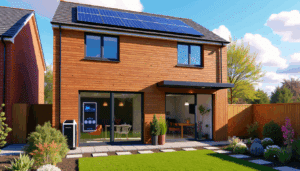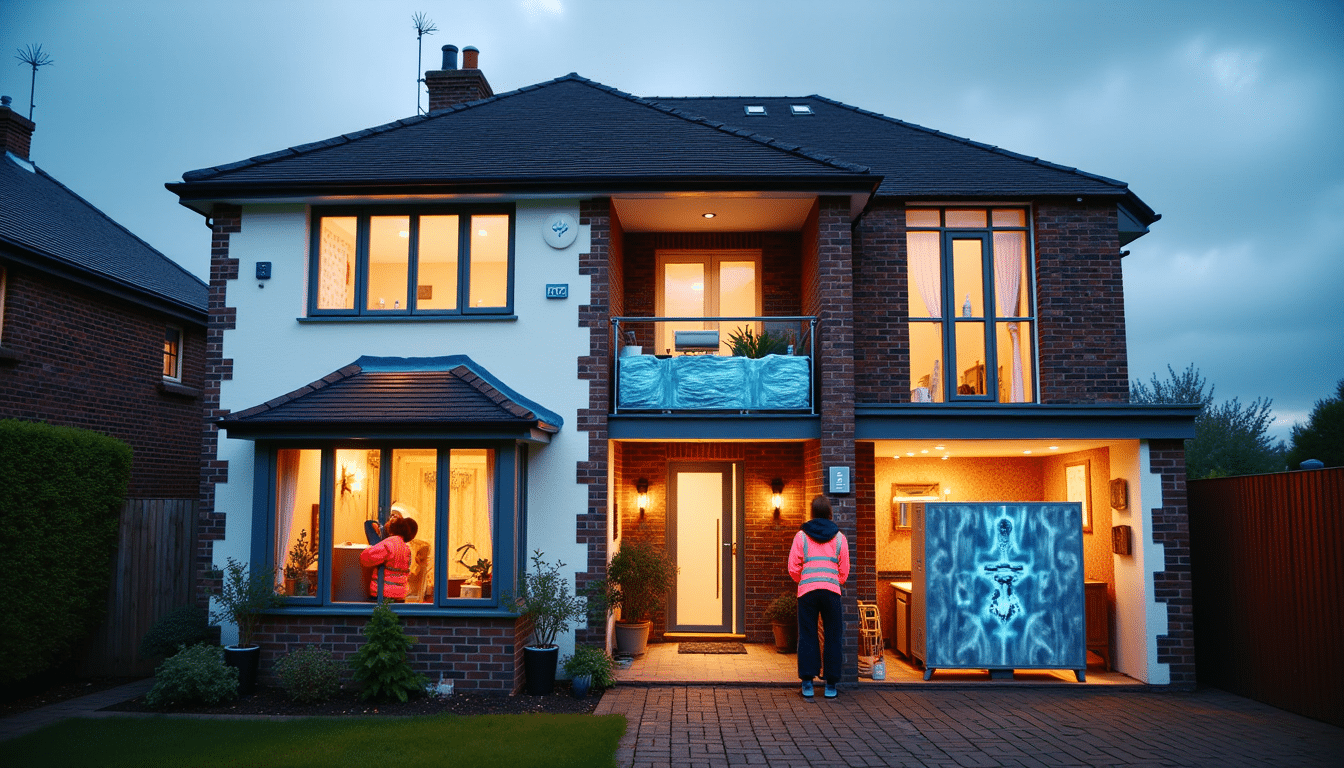
Creating a more energy-efficient, future-ready living space doesn’t have to be a pipedream – even here in our often chilly corners of the UK. Thanks to expanding support from several government schemes, smart sustainable home upgrades are more accessible than ever for both homeowners and renters alike. Whether you’re living in a draughty Victorian terrace or a compact modern flat, there are practical ways to reduce your energy bills, shrink your carbon footprint, and make your home more comfortable year-round.
Here’s how to take advantage of sustainable upgrades – from better insulation to heat pumps and glazing options – and why now is the time to act.
Insulation: The Quiet Hero of Home Energy Efficiency
One of the easiest and most affordable ways to boost the energy efficiency of your home is to improve your insulation. It might not seem glamorous, but good insulation (especially in lofts, walls, and floors) keeps the cold out and the warmth in, reducing the amount of energy needed to heat your home – and trimming your bills in the process.
Thanks to schemes like the *Great British Insulation Scheme (GBIS)* and *ECO4*, eco-friendly insulation for homes is now easier to access. These grants can fully fund the installation of loft, cavity wall or solid wall insulation, and, in some cases, even support two insulation measures for one property. That’s a game changer for older homes that may lack basic insulation altogether.
If you’re not sure what your home needs, start by booking a professional energy assessment. They’ll identify where heat is being lost and which improvements could make the biggest difference.
🛠 *HomeWise Tip:* Even something as simple as upgrading loft insulation to current recommended levels can save you hundreds each year and make your home snug when winter rolls in.
Learn more: Government Grants for Insulation
Better Glazing for Comfort, Savings, and Peace and Quiet
Upgrading your windows isn’t just about aesthetics – it’s an important piece of the energy-efficiency puzzle. Old or single-glazed windows can leak precious heat and draughts, while also letting in road noise and damp. Switching to double glazing (or even triple, where viable) can make a big difference.
Double glazing energy savings in the UK vary depending on property type, but they’re often impressive – especially when replacing old windows in an uninsulated home. Thankfully, GBIS grants can also support some glazing improvements, particularly when paired with insulation upgrades.
When shopping for new windows, look for high energy-rated options that seal in heat. Eco-friendly window options are now widely available too, including timber alternatives and fully recyclable frames that don’t compromise on performance.
🔍 *Ella’s Insight:* In our own off-grid Yorkshire cottage, swapping to modern A-rated timber-frame windows not only improved energy efficiency, but also cut down significantly on condensation during frosty mornings.
Find out more: Eco-Friendly Window Options
Heat Pumps: A Cleaner Way to Heat Your Home
If you’re ready to take a bigger step toward sustainability, consider a heat pump – specifically an air source heat pump. These systems transfer heat from outside air (even in cold weather) into your home, making them a lower-carbon and more efficient alternative to gas or oil boilers.
Under the *Boiler Upgrade Scheme (BUS)*, you could be eligible for a £7,500 government grant to cover part of the installation costs. For those switching from older fossil fuel systems, the long-term benefits of air source heat pumps are compelling: lower running costs, significantly reduced emissions, and less dependence on fossil fuels.
Heat pumps work best in well-insulated homes, so if you’re considering this upgrade, it makes sense to pair it with insulation improvements beforehand.
💡 *Pro Tip:* Heat pumps can also offer gentle cooling in summer – an unexpected perk during our recent heatwaves.
Discover more: Benefits of Heat Pumps
Making the Most of Government Support
These upgrades are more accessible than many realise – but timing matters. Both GBIS and BUS have application deadlines and changing eligibility criteria, so it’s worth checking your status sooner rather than later.
Start with these steps:
- Check your eligibility using tools from official government websites or trusted local energy advisors.
- Book an energy assessment to understand where your home is losing energy.
- Plan upgrades in order – e.g., insulation first, then glazing or heating systems – for maximum impact and grant support.
For additional inspiration, consider exploring simple ways to embrace sustainable living at home that can complement your energy-saving upgrades.
Final Thought from Ella
Living off-grid in rural Yorkshire has taught me a thing or two about making the most of every watt. But even in urban homes, simple upgrades like insulation and better windows can transform the way you live – and future-proof your space for years to come.
By tapping into available support, you can make your home smarter, greener and more comfortable – without breaking the bank. And that’s not just good for your wallet – it’s good for the planet too.
🏡 *Bonus Tip:* If you’re unsure where to begin, start with your loft. It’s one of the cheapest and most impactful places to add insulation – and it might even be covered entirely by a grant.