If your kitchen drawer is rattling with old keys – ones for mystery padlocks, long-forgotten sheds, or your first flat in Leeds – it might be time for a clear-out. I recently tackled my own key clutter (some dating back to pre-renovation days!), and I was surprised at just how much space – and peace of mind – I gained. Old keys might look too small to cause much bother, but when we hold onto dozens unnecessarily, they become yet another pocket of unintentional clutter… and potentially a security risk too.
Let’s walk through how to deal with your unwanted (or unidentifiable) keys in a way that’s both safe and kind to the planet. Whether you’re in a town terrace or a rural cottage like mine, there are easy, sustainable steps you can take.
Get to Know Your Keys First
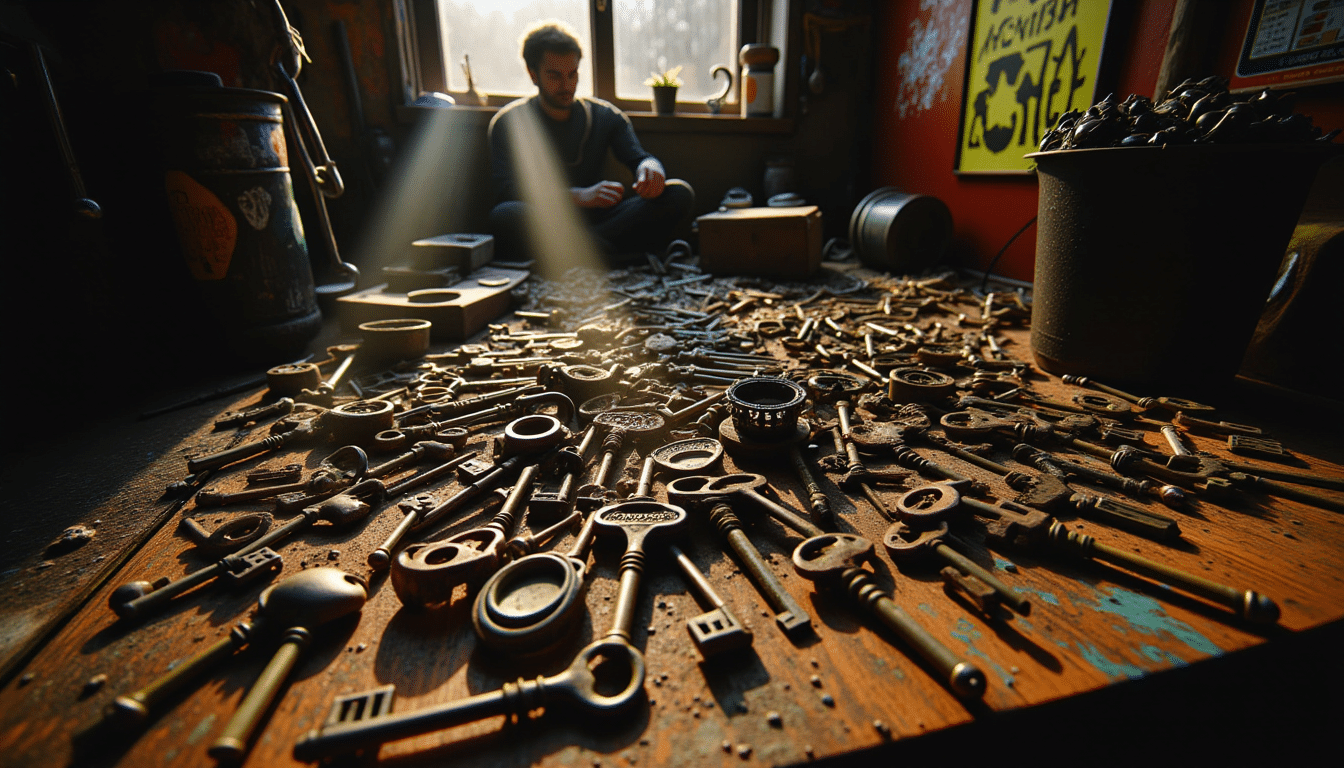
A quick rummage through my ‘random bits’ drawer revealed a mix of traditional brass keys, a few allen keys from flat-pack adventures, and even an old car key fob from my first motor (RIP, little Peugeot). Knowing what you’ve got makes everything easier to sort.
Here’s a breakdown:
- Traditional metal keys – Most house, shed, or padlock keys are brass or steel.
- Electronic keys or fobs – Car keys and some newer door keys may contain batteries or chips.
- Miscellaneous metal bits – Think allen keys, cabinet keys, or that one that no one remembers what it’s for.
Once you’ve done the sorting, you’re ready to decide their fate.
How to Recycle Old Metal Keys Responsibly
Most UK homes can’t put keys in their kerbside recycling, but don’t worry – there’s still a straightforward (and green) option.
Check your local Household Waste Recycling Centre (HWRC). Most will have a scrap metal section, and your keys are perfect for that pile. It’s worth bundling all your small metal items up into a tin or bag so you’re not emptying them one by one at the site entrance – speaking from experience!
Before recycling:
- Remove keyrings or fobs – especially anything with personal info or addresses on.
- Take off any plastic coating – A strong pair of pliers can help here.
- Include things like allen keys too – they’re just as recyclable, and it’s an ideal way to pass them on responsibly if you’ve upgraded your tool set.
If you’ve uncovered a big box of keys (from previous tenants or inherited from a business, perhaps), try getting in touch with a local scrap metal merchant. Some will collect or allow drop-off, and you might even get a small payment depending on the weight. Every little helps!
What About Electronic or Smart Keys?
Electronic keys or fobs fall into the category of e-waste. These should never be thrown in household bins. Instead:
- Take them to your HWRC’s electronics recycling point (often labelled ‘small appliances’).
- If they include batteries, remove those first and pop them in your usual battery collection box – most supermarkets and libraries have them these days.
- Some major car dealerships will also accept old car keys, especially if you’re buying from them again.
Reuse and Upcycle: Give Old Keys a Second Life
My favourite way to deal with odd bits around the house is to get creative with them. Old keys might no longer serve their original purpose, but they’ve still got charm.
A few upcycling ideas that I’ve tried (and loved):
- Quirky key racks – Mount a row of old keys on a wooden board with the teeth sticking outwards. Instant wall hooks for coats or dog leads.
- Garden markers – Use strong string to tie keys to small sticks and write plant names with a permanent marker. Durable and unique.
- DIY wind chimes – A fun one to do with kids. Several keys, a few beads, and a rusty colander turned upside-down equals a rustic garden decoration.
- Art or decorations – Keys can be incorporated into framed collages, handmade jewellery or even wreaths.
It’s lovely finding imaginative uses for these forgotten bits. They might not open doors anymore, but they can still spark creativity.
Donate for a Good Cause
While not as common as they once were, some UK charities do still accept old metal keys for scrap value, using the funds to support their work. These schemes often change depending on available resources, but it’s worth contacting:
- Local hospices
- Animal rescue charities
- Shelters or housing support charities
Sometimes schools or scout groups organise collections too – so keep an eye out on community noticeboards, especially around spring clean season.
A Final Word: Keep What You Need
It goes without saying (but I’ll say it anyway): double-check you’re not tossing still-useful keys by mistake. A label and a quick test in the lock might save future headaches down the line.
And if you’re moving house soon, make a habit now of passing on clearly labelled keys – it saves someone else the mystery later!
A Handy Tip Before You Start
Set aside a small tin or pouch near your junk drawer to collect unwanted keys as you come across them. Once it’s full, make a dedicated recycling tip run or start your next upcycling project. It’s a small change that’ll help keep your drawers lighter and your clutter under control.
Just like with composting or careful DIY, it’s all about taking little steps that add up to a more organised, low-waste life. Keys may be small, but they’re a great place to start.