1. Start a Kitchen Compost Bin
Food waste makes up nearly a third of household waste in the UK. Setting up a simple kitchen compost bin diverts this waste from landfills where it would produce harmful methane gas. In Yorkshire’s gardens, the resulting compost works wonders for growing vegetables and flowers.
Even apartment dwellers can compost with compact options like bokashi bins or worm composters. Your local council might also offer food waste collection services – check your local authority’s website for details.

Want to dive deeper? Check out our comprehensive guide to home composting for beginners.
2. Switch to LED Lighting
If you haven’t already made the switch, replacing traditional bulbs with LEDs reduces energy consumption by up to 90%. According to the Energy Saving Trust, a typical UK home can save about £35 per year just by changing to LED bulbs.
What I love about modern LEDs is how far they’ve come – they now offer warm, natural light rather than the harsh illumination of early models. Plus, they last significantly longer than traditional bulbs, reducing waste and replacement costs.
3. Reduce Single-Use Plastics
The UK generates around 5 million tonnes of plastic waste each year. My journey to reduce this started with simple swaps:
- Reusable water bottles and coffee cups
- Fabric shopping bags kept by the door and in the car
- Beeswax wraps instead of cling film
- Solid shampoo and soap bars to eliminate plastic bottles
These small changes quickly become habits and dramatically reduce the plastic waste leaving your home.
4. Shop Locally and Seasonally
Yorkshire’s farmers’ markets have been my sustainable shopping inspiration. Buying locally not only supports regional producers but significantly reduces the carbon footprint of your food. Products travel shorter distances and often use less packaging.

Learning to eat seasonally has transformed my cooking and connection to local food. The Soil Association offers excellent resources on seasonal eating in the UK.
5. Create a Water-Saving Bathroom
The average UK household uses about 330 litres of water daily. In my Yorkshire cottage, I’ve reduced this by:
- Installing a water-saving showerhead (can save 5,000+ litres annually)
- Placing a water displacement device in the toilet cistern
- Fixing dripping taps promptly (a dripping tap can waste 5,500 litres per year)
- Collecting cold shower water while waiting for it to warm up to use on plants

Get more ideas in our water conservation guide for UK homes.
6. Embrace Second-Hand Shopping
The environmental impact of fast fashion and constant consumption of new goods is staggering. Charity shops, online marketplaces, and community swap events offer alternatives that extend product lifecycles.
My home is filled with preloved furniture that often has better quality craftsmanship than newer items. Many Yorkshire towns have excellent charity shops where you can find everything from clothing to kitchenware at a fraction of the new price.
7. Reduce Energy Consumption
Beyond the obvious environmental benefits, reducing energy use has helped me manage rising energy costs. Simple habits make a difference:
- Washing clothes at 30°C
- Air-drying laundry when possible
- Using microwave or toaster ovens for small meals instead of heating a full oven
- Turning off standby mode on electronics
- Installing a smart meter to track usage
The Energy Saving Trust estimates these kinds of changes could save the average UK household around £250 annually.
8. Create a Wildlife-Friendly Garden
Even small outdoor spaces can support local biodiversity. In my Yorkshire garden, I’ve:
- Planted native wildflowers that support pollinators
- Installed bird feeders and nesting boxes
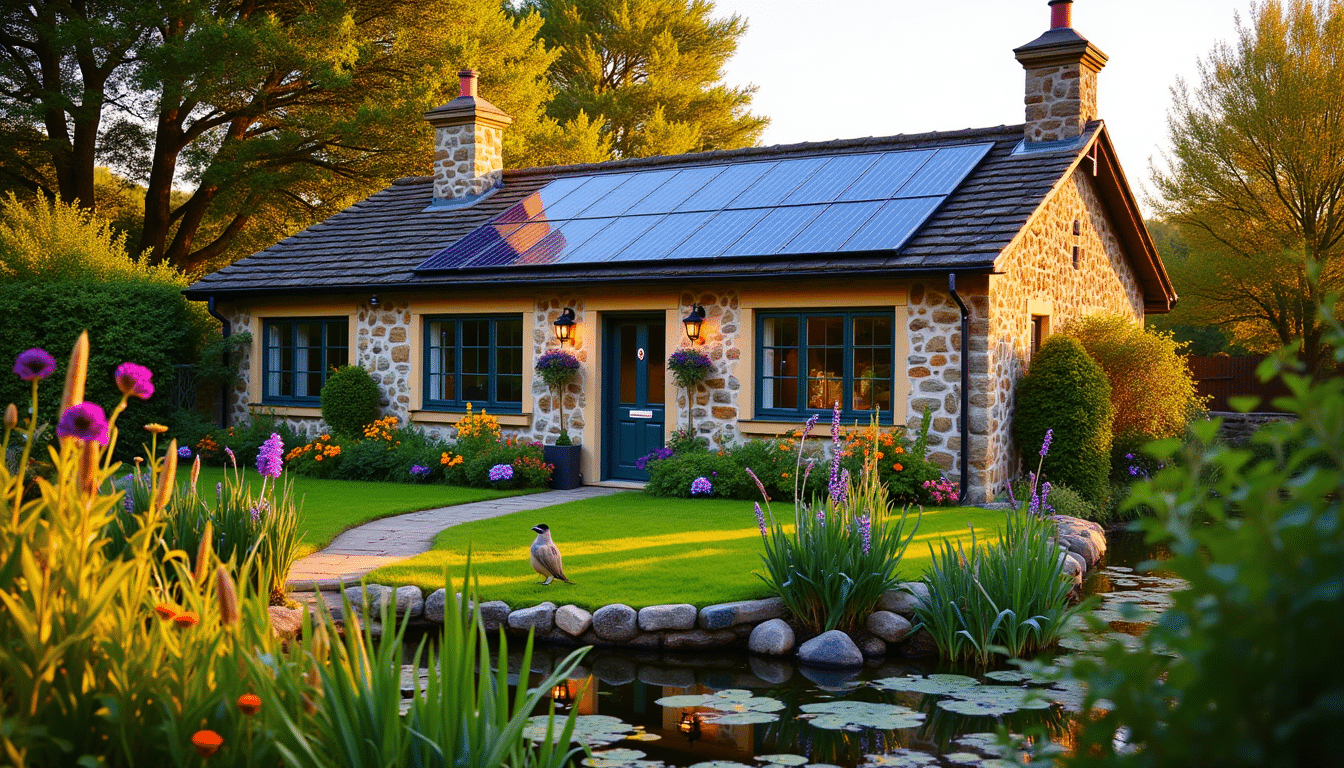
- Created a small pond that attracts frogs and insects
- Left sections of ‘wild’ space with leaf piles for hedgehogs and insects
The Royal Horticultural Society offers excellent advice on wildlife gardening specific to UK environments.
9. Reduce Food Waste
UK households waste 4.5 million tonnes of edible food annually. I’ve tackled this by:
- Planning meals and shopping with a list
- Understanding date labels (the difference between ‘use by’ and ‘best before’)
- Using freezers effectively for leftovers and bulk cooking
- Learning preservation techniques like pickling and fermenting
Check out our guide to reducing household food waste for more practical tips.
10. Choose Eco-Friendly Cleaning Products
Conventional cleaning products often contain chemicals harmful to waterways and aquatic life. I’ve switched to eco-friendly alternatives that work just as effectively:
- Refillable cleaning products from local zero-waste shops
- Simple homemade cleaners using vinegar, bicarbonate of soda and essential oils
- Microfibre cloths instead of disposable wipes
- Plastic-free sponges and brushes

These changes reduce plastic waste and chemical pollution while often saving money.
11. Implement Energy Efficiency Improvements
While some energy upgrades require investment, they deliver long-term savings and comfort:
- Draught-proofing windows and doors
- Adding loft insulation (which can save around £180 annually on heating bills)
- Installing thermal curtains
- Using rugs on hard floors during winter
If you’re considering larger improvements, the Simple Energy Advice website offers tailored recommendations for UK homes.
12. Embrace Repair Culture
In 2025, repairing rather than replacing items remains one of the most impactful sustainable habits. I’ve learned basic mending skills for clothing, attended repair cafés in Yorkshire towns, and found local specialists who can fix everything from electronics to furniture.
YouTube tutorials have been invaluable for learning how to maintain and repair household items. This approach not only reduces waste but often preserves quality items that would be expensive to replace.
13. Reduce Car Dependency
Transportation accounts for a significant portion of most people’s carbon footprint. While rural Yorkshire presents challenges for car-free living, I’ve reduced my driving by:
- Combining errands into single trips
- Car-sharing with neighbours for regular journeys
- Working from home when possible
- Using public transport for longer journeys
- Cycling for shorter trips in good weather
Even reducing car use by one day per week makes a meaningful difference to your environmental impact.
14. Choose Renewable Energy
Switching to a renewable energy provider remains one of the simplest ways to reduce your carbon footprint. Many UK suppliers now offer 100% renewable electricity tariffs that are competitively priced.
For those with suitable properties, domestic renewable installations like solar panels have become more affordable. The Energy Saving Trust provides impartial advice about options for UK homes.
15. Build a Sustainable Community
Perhaps the most powerful sustainable living tip I’ve discovered is the importance of community. Sharing resources, skills and knowledge multiplies individual efforts:
- Tool libraries and community sharing schemes reduce the need for individual ownership
- Skill-sharing workshops teach valuable sustainable living techniques
- Community gardens provide fresh produce and connection
- Local environmental groups tackle larger issues together
Yorkshire has a wonderful tradition of community resilience that makes sustainable living more accessible and enjoyable.
Finding Your Own Sustainable Path
What I’ve learned living in Yorkshire is that sustainable living isn’t about perfection – it’s about progress. Start with changes that feel manageable and align with your values. The cumulative effect of many small actions creates significant positive impact.
As we move through 2025, the climate challenges we face require collective action. Each household making thoughtful choices contributes to the broader shift toward sustainability that we urgently need.
Which sustainable living tip will you try first? I’d love to hear about your experiences in the comments below.
Looking for more specific advice for your home? Our sustainable home assessment guide helps you identify the most impactful changes for your specific circumstances.