How to Unblock a Drain in the UK: Step-by-Step Guide for Homeowners

share this post

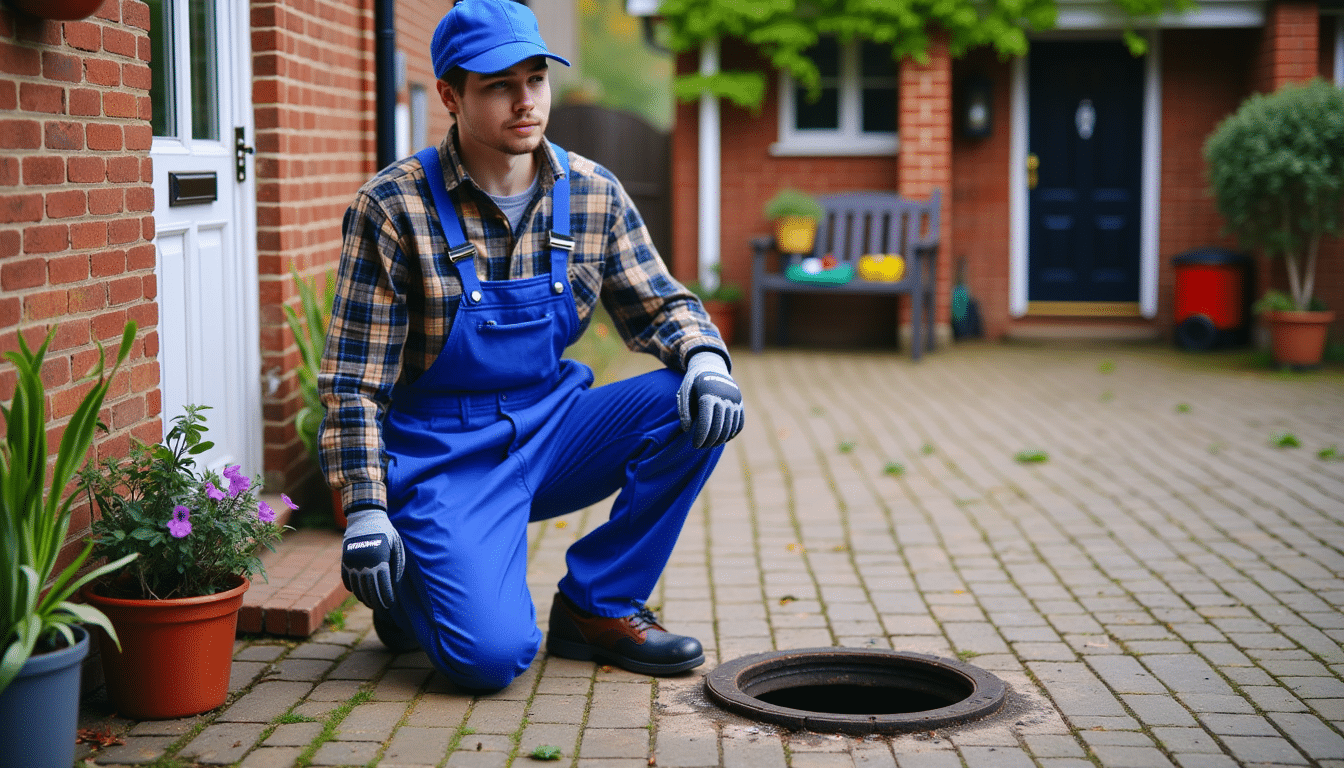
Plumber in blue overalls kneeling by open drain on British driveway with tools scattered in daylight.

Why Do Drains Block in the First Place?

Before diving into solutions, it’s worth understanding why drains block. In my experience renovating older properties throughout Lancashire, I’ve seen it all:

  • Hair and soap scum – The most common culprits in bathroom plugholes
  • Food waste and cooking oils – Kitchen sink nemesis number one
  • Foreign objects – From children’s toys to cotton buds and wet wipes
  • Scale build-up – Particularly in hard water areas
  • Tree roots – A serious problem for external drainage systems

Understanding what’s causing your blockage helps determine the best approach to fixing it. In Lancashire’s older homes, I often find unique challenges like clay pipes or unusual plumbing configurations that require specific techniques.

Signs Your Drain is Blocked

How do you know if you’re dealing with a blocked drain rather than another plumbing issue? Look out for:

  • Water draining away slowly
  • Gurgling sounds from plughole or toilet
  • Unpleasant odours coming from drains
  • Water backing up in sinks, baths or showers
  • Multiple fixtures being affected simultaneously (indicating a more serious blockage)

Essential Tools for Unblocking Drains

Before attempting to unblock your drain, gather these tools:

  • Rubber gloves
  • Plunger (preferably a sink plunger for sinks/baths, a toilet plunger for toilets)
  • Drain snake or auger
  • Bucket and towels
  • Bicarbonate of soda and vinegar
  • Kettle for boiling water
  • Wire coat hanger (can be straightened for simple blockages)
  • Drain unblocker product (choose carefully – more on this later)

DIY Methods to Unblock Your Drain

1. The Boiling Water Method

Best for: Minor soap and grease blockages

Simply boil a full kettle, then carefully pour the water down the drain in two or three stages, allowing each pour to work for a few seconds before adding more.

I always recommend this as your first attempt – it’s remarkable how often this simple trick works, especially on kitchen sinks where grease is the main culprit. In many Lancashire homes I’ve worked on, particularly those with older plumbing, this gentle approach can be surprisingly effective.

Clogged bathroom sink drain with hair and soap scum around chrome plughole in bright white porcelain basin

Important safety note: Never use boiling water on PVC pipes as it can cause damage or on toilets as it might crack the porcelain.

2. The Plunger Technique

Best for: Moderate blockages in sinks, baths and toilets

  1. Ensure there’s enough water to cover the rubber section of the plunger
  2. Create a seal around the drain
  3. Pump vigorously 5-10 times
  4. Suddenly pull up to break the vacuum
  5. Repeat if necessary

The key to effective plunging is creating a proper seal and using sharp, forceful movements. For bathroom sinks, remember to block the overflow with a damp cloth to maintain pressure.

3. Bicarbonate of Soda and Vinegar

Best for: Build-up of soap, grease, and organic matter

  1. Pour 100g of bicarbonate of soda down the drain
  2. Follow with 100ml of white vinegar
  3. The resulting reaction will fizz and bubble
  4. Leave for 30 minutes (or overnight for stubborn blockages)
  5. Flush with boiling water

This method is not only effective but also environmentally friendly compared to harsh chemical cleaners. I’ve used this countless times in heritage properties where I want to avoid damaging older pipework with aggressive chemicals.

Drain unblocking tools on wooden workbench with warm lighting in a workshop setting

4. Manual Removal

Best for: Visible blockages near the drain entrance

Sometimes the simplest approach works best:

  1. Remove the plughole cover (usually requires a screwdriver)
  2. Wearing gloves, remove any visible debris
  3. Use a straightened wire coat hanger to hook and remove blockages just beyond reach
  4. Flush with hot water

This is particularly effective for hair blockages in shower and bath drains. In fact, I now recommend preventative hair traps to all my Lancashire clients to avoid these blockages altogether – check out our guide to the best drain protectors for UK homes.

Baking soda and vinegar reacting in stainless steel kitchen sink drain under soft indoor lighting

5. Drain Snake or Auger

Best for: Stubborn or deep blockages

A drain snake (available at most DIY stores) can reach blockages deeper in your plumbing:

  1. Insert the snake into the drain
  2. Rotate the handle as you push it further in
  3. When you feel resistance, you’ve likely reached the blockage
  4. Rotate and push to break through the blockage
  5. Slowly withdraw the snake, which may bring out the causing material
  6. Flush with hot water

For particularly stubborn blockages, this is often the most effective DIY solution. In older Lancashire homes with complex pipework, I’ve found a good quality drain snake to be an invaluable tool.

6. Chemical Drain Cleaners

Best for: When other methods have failed

Commercial drain cleaners can be effective but should be used cautiously:

  1. Choose a product suitable for your specific pipes (some are too harsh for certain materials)
  2. Follow the instructions precisely
  3. Never mix different cleaning products
  4. Ensure good ventilation as fumes can be harmful
  5. Keep children and pets away from treated areas

Split view of clean and clogged clay drain pipe showing grease and debris buildup under dramatic lighting

While effective, I generally recommend trying the more environmentally-friendly methods first. Chemical cleaners can damage older pipes, harm the environment, and cause injury if misused.

Preventing Future Blockages

As I always tell my clients across Lancashire, prevention is better than cure:

  • Install drain guards to catch hair and food particles
  • Never pour cooking oil or fat down the sink (collect and dispose of separately)
  • Regularly flush drains with hot water
  • Consider a monthly maintenance clean with bicarbonate of soda and vinegar
  • Be mindful of what you flush – only toilet paper should go down the toilet

For more comprehensive advice on maintaining your home’s plumbing system, see our complete guide to home plumbing maintenance.

When to Call a Professional

While many blockages can be resolved with DIY methods, some situations warrant professional help:

  • Multiple fixtures are affected simultaneously
  • You’ve tried several methods without success
  • There’s sewage backing up into your home
  • You notice unpleasant odours persisting from multiple drains
  • Your property is experiencing frequent blockages

In these cases, the blockage may be in your main sewer line or require specialized equipment. According to WaterUK, around 300,000 sewer blockages occur annually in the UK, with many requiring professional intervention.

Regional Considerations for Lancashire Homeowners

Living and working in Lancashire, I’ve noticed some region-specific drainage issues worth mentioning:

  • Our clay-heavy soil can cause external drainage problems, especially after heavy rainfall
  • Many older Lancashire properties have original Victorian pipework that requires gentler treatment
  • Hard water in certain parts of the county can lead to more frequent limescale build-ups
  • Properties in rural Lancashire may have septic tanks rather than mains drainage, requiring different maintenance approaches

Final Thoughts

A blocked drain might seem like a minor annoyance, but left unattended, it can lead to more serious plumbing issues and potential water damage. The good news is that with the right approach, most blockages can be resolved quickly without calling in the professionals.

After decades of maintaining heritage homes across Lancashire, my best advice is this: act quickly when you notice drainage slowing down, be gentle with your pipes, and remember that regular maintenance is always easier than emergency repairs.

For those inevitable occasions when DIY won’t cut it, don’t hesitate to call a professional. Your home’s plumbing system is too important to risk damaging through overzealous amateur efforts.

Do you have any tried-and-tested methods for unblocking drains? Or perhaps a drainage disaster story to share? Let us know in the comments below!

James Barker is HomeWise’s resident home maintenance expert, specialising in the restoration and maintenance of heritage properties across Lancashire. With over twenty years of hands-on experience, his practical advice has helped countless homeowners maintain their properties with confidence.


Donโ€™t Miss a Thing!


Downloads

How to Unblock a Drain in the UK: Step-by-Step Guide for Homeowners

share this post

Plumber in blue overalls kneeling by open drain on British driveway with tools scattered in daylight.

Why Do Drains Block in the First Place?

Before diving into solutions, it’s worth understanding why drains block. In my experience renovating older properties throughout Lancashire, I’ve seen it all:

  • Hair and soap scum – The most common culprits in bathroom plugholes
  • Food waste and cooking oils – Kitchen sink nemesis number one
  • Foreign objects – From children’s toys to cotton buds and wet wipes
  • Scale build-up – Particularly in hard water areas
  • Tree roots – A serious problem for external drainage systems

Understanding what’s causing your blockage helps determine the best approach to fixing it. In Lancashire’s older homes, I often find unique challenges like clay pipes or unusual plumbing configurations that require specific techniques.

Signs Your Drain is Blocked

How do you know if you’re dealing with a blocked drain rather than another plumbing issue? Look out for:

  • Water draining away slowly
  • Gurgling sounds from plughole or toilet
  • Unpleasant odours coming from drains
  • Water backing up in sinks, baths or showers
  • Multiple fixtures being affected simultaneously (indicating a more serious blockage)

Essential Tools for Unblocking Drains

Before attempting to unblock your drain, gather these tools:

  • Rubber gloves
  • Plunger (preferably a sink plunger for sinks/baths, a toilet plunger for toilets)
  • Drain snake or auger
  • Bucket and towels
  • Bicarbonate of soda and vinegar
  • Kettle for boiling water
  • Wire coat hanger (can be straightened for simple blockages)
  • Drain unblocker product (choose carefully – more on this later)

DIY Methods to Unblock Your Drain

1. The Boiling Water Method

Best for: Minor soap and grease blockages

Simply boil a full kettle, then carefully pour the water down the drain in two or three stages, allowing each pour to work for a few seconds before adding more.

I always recommend this as your first attempt – it’s remarkable how often this simple trick works, especially on kitchen sinks where grease is the main culprit. In many Lancashire homes I’ve worked on, particularly those with older plumbing, this gentle approach can be surprisingly effective.

Clogged bathroom sink drain with hair and soap scum around chrome plughole in bright white porcelain basin

Important safety note: Never use boiling water on PVC pipes as it can cause damage or on toilets as it might crack the porcelain.

2. The Plunger Technique

Best for: Moderate blockages in sinks, baths and toilets

  1. Ensure there’s enough water to cover the rubber section of the plunger
  2. Create a seal around the drain
  3. Pump vigorously 5-10 times
  4. Suddenly pull up to break the vacuum
  5. Repeat if necessary

The key to effective plunging is creating a proper seal and using sharp, forceful movements. For bathroom sinks, remember to block the overflow with a damp cloth to maintain pressure.

3. Bicarbonate of Soda and Vinegar

Best for: Build-up of soap, grease, and organic matter

  1. Pour 100g of bicarbonate of soda down the drain
  2. Follow with 100ml of white vinegar
  3. The resulting reaction will fizz and bubble
  4. Leave for 30 minutes (or overnight for stubborn blockages)
  5. Flush with boiling water

This method is not only effective but also environmentally friendly compared to harsh chemical cleaners. I’ve used this countless times in heritage properties where I want to avoid damaging older pipework with aggressive chemicals.

Drain unblocking tools on wooden workbench with warm lighting in a workshop setting

4. Manual Removal

Best for: Visible blockages near the drain entrance

Sometimes the simplest approach works best:

  1. Remove the plughole cover (usually requires a screwdriver)
  2. Wearing gloves, remove any visible debris
  3. Use a straightened wire coat hanger to hook and remove blockages just beyond reach
  4. Flush with hot water

This is particularly effective for hair blockages in shower and bath drains. In fact, I now recommend preventative hair traps to all my Lancashire clients to avoid these blockages altogether – check out our guide to the best drain protectors for UK homes.

Baking soda and vinegar reacting in stainless steel kitchen sink drain under soft indoor lighting

5. Drain Snake or Auger

Best for: Stubborn or deep blockages

A drain snake (available at most DIY stores) can reach blockages deeper in your plumbing:

  1. Insert the snake into the drain
  2. Rotate the handle as you push it further in
  3. When you feel resistance, you’ve likely reached the blockage
  4. Rotate and push to break through the blockage
  5. Slowly withdraw the snake, which may bring out the causing material
  6. Flush with hot water

For particularly stubborn blockages, this is often the most effective DIY solution. In older Lancashire homes with complex pipework, I’ve found a good quality drain snake to be an invaluable tool.

6. Chemical Drain Cleaners

Best for: When other methods have failed

Commercial drain cleaners can be effective but should be used cautiously:

  1. Choose a product suitable for your specific pipes (some are too harsh for certain materials)
  2. Follow the instructions precisely
  3. Never mix different cleaning products
  4. Ensure good ventilation as fumes can be harmful
  5. Keep children and pets away from treated areas

Split view of clean and clogged clay drain pipe showing grease and debris buildup under dramatic lighting

While effective, I generally recommend trying the more environmentally-friendly methods first. Chemical cleaners can damage older pipes, harm the environment, and cause injury if misused.

Preventing Future Blockages

As I always tell my clients across Lancashire, prevention is better than cure:

  • Install drain guards to catch hair and food particles
  • Never pour cooking oil or fat down the sink (collect and dispose of separately)
  • Regularly flush drains with hot water
  • Consider a monthly maintenance clean with bicarbonate of soda and vinegar
  • Be mindful of what you flush – only toilet paper should go down the toilet

For more comprehensive advice on maintaining your home’s plumbing system, see our complete guide to home plumbing maintenance.

When to Call a Professional

While many blockages can be resolved with DIY methods, some situations warrant professional help:

  • Multiple fixtures are affected simultaneously
  • You’ve tried several methods without success
  • There’s sewage backing up into your home
  • You notice unpleasant odours persisting from multiple drains
  • Your property is experiencing frequent blockages

In these cases, the blockage may be in your main sewer line or require specialized equipment. According to WaterUK, around 300,000 sewer blockages occur annually in the UK, with many requiring professional intervention.

Regional Considerations for Lancashire Homeowners

Living and working in Lancashire, I’ve noticed some region-specific drainage issues worth mentioning:

  • Our clay-heavy soil can cause external drainage problems, especially after heavy rainfall
  • Many older Lancashire properties have original Victorian pipework that requires gentler treatment
  • Hard water in certain parts of the county can lead to more frequent limescale build-ups
  • Properties in rural Lancashire may have septic tanks rather than mains drainage, requiring different maintenance approaches

Final Thoughts

A blocked drain might seem like a minor annoyance, but left unattended, it can lead to more serious plumbing issues and potential water damage. The good news is that with the right approach, most blockages can be resolved quickly without calling in the professionals.

After decades of maintaining heritage homes across Lancashire, my best advice is this: act quickly when you notice drainage slowing down, be gentle with your pipes, and remember that regular maintenance is always easier than emergency repairs.

For those inevitable occasions when DIY won’t cut it, don’t hesitate to call a professional. Your home’s plumbing system is too important to risk damaging through overzealous amateur efforts.

Do you have any tried-and-tested methods for unblocking drains? Or perhaps a drainage disaster story to share? Let us know in the comments below!

James Barker is HomeWise’s resident home maintenance expert, specialising in the restoration and maintenance of heritage properties across Lancashire. With over twenty years of hands-on experience, his practical advice has helped countless homeowners maintain their properties with confidence.


I'm Neil

the Editor of HomeWise. This site is built for homeowners and renters who want to stay smart, save money, and get the most from their home.
Come back often โ€” weโ€™re just getting started.

Donโ€™t Miss a Thing!

Get the latest home tips, tricks, and inspiration delivered to your inbox

๐Ÿ’ก Quick Tips

๐Ÿงผ

Quick Tip:

Clean extractor fans every 3 months to prevent mould buildup.

โ€” Healthy Homes